
Is it better to rent or buy a bounce house?
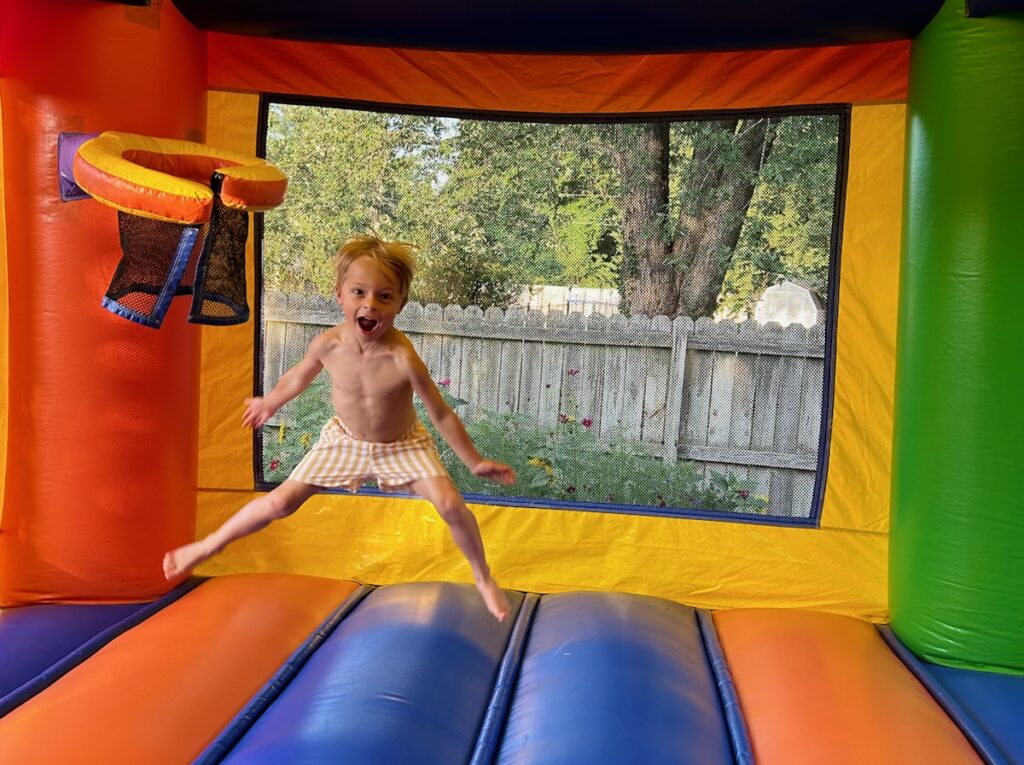
Planning the perfect birthday party for your kid is exciting, but deciding whether to rent or buy a bounce house can feel like a big hurdle. You want a fun, stress-free party that wows the kids, but the choice involves juggling costs and logistics. It’s tough to know which option will keep both your wallet and your sanity happy.
Renting a bounce house means someone else handles setup, teardown, cleaning and storing it But if you’re throwing parties often, those rental fees can stack up fast. Buying one might save money long-term, but it will come with the hassle of maintenance and finding the space in your garage.
Don’t stress—start by thinking about how often you’ll use a bounce house and what fits your lifestyle. Jot down your budget, how many parties you host, and whether you’ve got room to store and maintain it. This simple step will point you toward the choice that makes your parties epic and your life easier.
1. New Themes Every Party!
Renting lets you pick a new bounce house theme or style for each party, keeping things fresh and exciting for the kids. Buying limits you to one bounce house, which might feel repetitive for annual birthday bashes. Kids love variety, so renting can make each party feel like a brand-new adventure.
2. Wallet-Friendly Winner?
Renting involves recurring fees that can add up if you host multiple parties a year, while buying has a higher upfront cost but can save money if you use it frequently. For frequent party planners, buying might pay off after just a few events. Always compare rental rates to purchase prices to see the break-even point.
3. Stress-Free Setup Secrets!
Renting is hassle-free since the company handles delivery, setup, teardown, and cleaning. Buying means you’re responsible for setting it up and taking it down each time, which can be time-consuming. With renting, you can focus on enjoying the party instead of wrestling with equipment.
4. No Storage Nightmares!
Renting requires no storage space or upkeep, perfect for homes with limited room. Buying means finding space to store it and handling regular cleaning and repairs to keep it in top shape. Maintenance can also include patching tears or replacing parts, which adds to the long-term commitment.
Ready to make your next party a breeze? At Jumping Jacks Event Rentals in Springfield, MO, we take the hassle out of renting with a wide selection of fun, clean bounce houses and full-service setup, so you can focus on making memories.
At Jumping Jacks Events, we’ve been bringing bounce house fun to Springfield, Missouri with a commitment to making your event seamless and memorable. Based right here in the community, we offer a range of inflatables—from classic bounce houses to combo units with slides—paired with services designed to take the stress off your plate. Setup and tear down? Included. Cleanliness? We sanitize every unit before it arrives. Safety and maintenance? Our equipment is regularly inspected to meet high standards, ensuring your guests can bounce worry-free.
We know every event is unique, so we tailor our offerings to fit your budget and needs. While costs depend on factors like the size of the bounce house and extra features, you can expect transparent pricing that reflects our full-service promise.
Curious about what that looks like for your next party?
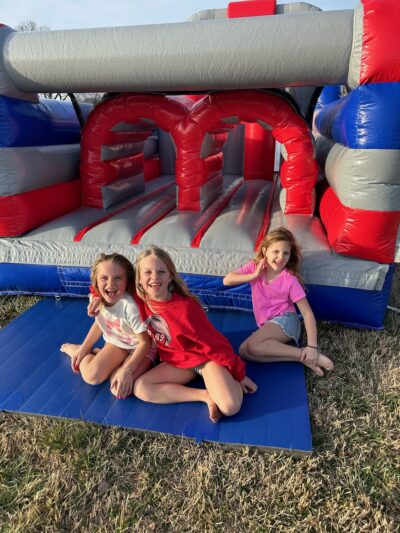
Benefits You Can Expect
Our Clients
Don’t just take our word for it
[trustindex no-registration=google]
How It Works
Step 1: Schedule your event
Pick your date and bounce house, then let us know the details with a quick call or online quote. We’ll confirm availability and lock in your spot so you’re set to go.
Step 2: We'll handle the details
Our team takes care of details, delivery, setup, and safety checks, ensuring everything’s clean, secure, and ready before your guests arrive. We'll even inform you if we need additional information.
Step 3: Enjoy your event
Kick back and watch the fun unfold as your guests bounce away, knowing we’ll handle the tear down and pickup afterward. It’s your party—make the most of it stress-free!
Here's what you'll get...
- Full-Service Delivery - We drop off your inflatable right where you need it.
- Professional Setup - Our team sets up every unit quickly and securely so it’s ready to go.
- Thorough Cleaning - Each bounce house is sanitized before delivery for a fresh experience.
- Safety Inspections - We check every inflatable to ensure it meets high safety standards.
- Wide Bounce House Selection - Choose from classic bouncers to themed units for all ages.
- Friendly Support - Our team’s here to answer questions and make planning simple.
- On-Time Arrival - We show up when promised so your party starts on schedule.
- Flexible Rental Times - Rent for a few hours or keep it all weekend with no stress.
- No Deposit Booking - Reserve your rental without upfront costs—just sign and go.
- Free Cancellation - Cancel anytime before delivery if plans change, no penalty.
- Local Expertise - As a Springfield, MO company, we know the area and your needs.
- Transparent Pricing - Clear costs with no hidden fees, tailored to your event.
- Weekend-Long Rentals - Enjoy Friday-to-Monday rentals for residential fun.
- Event Customization - We help match rentals to your party size and theme.